
AHPC Online Verification System: Ending Quackery in Pakistan
A Long-Standing Problem Finally Meets a Digital Solution
For decades, Pakistan’s healthcare system has suffered due to fake practitioners, unqualified paramedics, and unchecked quackery, especially in allied health services.
Patients remained confused. Qualified professionals were ignored. Regulatory enforcement stayed weak.
In this challenging landscape, the launch of the AHPC Online Verification System marks a historic and long-awaited breakthrough—bringing transparency, accountability, and legal clarity to Allied Health Professionals across Pakistan.
This blog explains why this system matters, how it works, and how it strengthens the Allied Health Professionals Council (AHPC) Act, 2022 to finally protect professionals and patients alike.
Understanding the AHPC Online Verification System
What Is the AHPC Online Verification Portal?
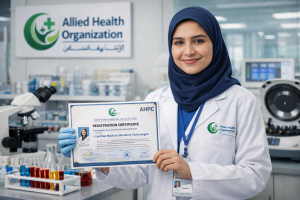
The AHPC Online Verification System is an official digital portal launched by the Allied Health Professionals Council (AHPC) that allows:
-
Allied Health Professionals (AHPs)
-
Employers & healthcare institutions
-
Patients & the general public
to verify the registration status of any allied health practitioner using:
-
CNIC number
-
AHPC Registration Number
This step directly targets fake registrations, illegal practice, and unsafe healthcare delivery.
Why Verification Was Critically Needed in Pakistan
Pakistan has over 30 allied health disciplines, including medical laboratory technology, Emergency Clinical Medicine Technology, radiology, anesthesia, dental technology, physiotherapy, and more.
Yet for years:
-
Unqualified individuals practiced freely
-
Fake diplomas flooded the market
-
Registered professionals lost jobs to quacks
-
Patients faced irreversible harm
The absence of a centralized verification mechanism allowed this crisis to grow unchecked.
Legal Backbone: AHPC Act, 2022 Explained Simply
What the AHPC Act, 2022 Mandates
The Allied Health Professionals Council Act, 2022 clearly states that:
-
No person shall practice as an Allied Health Professional without AHPC registration
-
AHPC is the sole regulatory authority
-
Scope of practice must be defined and protected
The online verification system is the practical enforcement tool of this law.
From Paper Law to Real Enforcement
Previously, registration existed mostly on paper.
Now, with real-time public verification, the Act becomes:
✅ Enforceable
✅ Transparent
✅ Digitally traceable
This bridges the gap between policy and practice.
Quackery in Allied Health: The Hidden Healthcare Emergency

How Quackery Damaged the System
-
Fake lab technicians issued wrong reports
-
Untrained anesthesia staff risked lives
-
Illegal radiology practices exposed patients to unsafe radiation
-
Diploma mills exploited poor students
Despite awareness, patients had no way to verify authenticity—until now.
Public Empowerment Through Verification
With the AHPC portal:
-
Patients can verify before treatment
-
Hospitals can refuse unregistered staff
-
Courts and authorities have digital proof
This single system acts as a national filter against quackery.
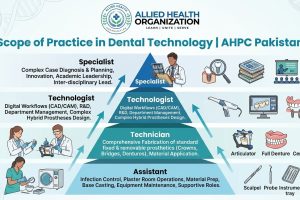
Scope of Practice & Career Protection
Why Scope of Practice Matters
A verified professional means:
-
Practicing only within approved discipline
-
Legal accountability
-
Defined job roles
The AHPC verification system ensures discipline-specific legitimacy, preventing cross-practice abuse.
Impact on Service Structure & Career Growth
Verification directly supports:
-
Proper service structure implementation
-
Fair promotions
-
Transparent hiring
-
Ending contractual exploitation
Without verified data, career reforms were impossible.
Real-World Pakistan Examples
Hospitals & Labs Now Demanding Verification
-
Private labs now require AHPC-verified staff
-
Teaching hospitals cross-check credentials
-
NGOs and international donors insist on compliance
This confirms that verification is becoming the new professional standard.
Students & Fresh Graduates Benefit the Most
-
Protects them from fake institutes
-
Enables recognition based on merit
-
Encourages enrollment in approved programs
The system restores trust in Allied Health education.
Role of Allied Health Organization Pakistan (AHOP)
Policy Advocacy & Legal Struggle
The Allied Health Organization Pakistan has consistently:
-
Challenged illegal regulatory overlaps
-
Raised awareness about the AHPC Act
-
Filed legal & policy representations
The verification system aligns with AHOP’s long-standing stance.
Awareness, Protection & Unity
AHOP continues to:
-
Educate professionals about verification
-
Expose illegal practices
-
Advocate uniform service structures
-
Defend professional dignity
This is not just technology—it is a movement for recognition.
Future Roadmap: What Still Needs to Be Done
Immediate Government Responsibilities
-
Mandatory verification before appointments
-
Integration with provincial health departments
-
Penalties for non-compliance
-
Shutdown of unregistered institutions
What Professionals Must Do
✅ Verify their registration status
✅ Refuse illegal practice
✅ Report non-compliance
✅ Stand united
Digital systems only work when fully enforced.
Way Forward: From Verification to Transformation
The AHPC Online Verification System is not the destination—it is the foundation.
If implemented properly, Pakistan can achieve:
-
Zero tolerance against quackery
-
Merit-based Allied Health workforce
-
Improved patient safety
-
International recognition
But success requires collective responsibility.
Conclusion: A Turning Point for Allied Health in Pakistan
For the first time, Allied Health Professionals in Pakistan have:
-
Legal backing
-
Digital verification
-
Public recognition
The AHPC Online Verification System is more than a portal—it is a shield against quackery, a voice for professionals, and a promise to patients.
Now is the time for unity, awareness, and strict implementation to ensure this landmark step delivers its full impact.
Written by:
Syed Asad ul Abbas Naqvi
Chairman, Allied Health Organization Pakistan
Tag:Course

2 Comments
Dental technician medical peculty peshawer
Your thinking and knowledge in management show good performance.